
A gas fireplace is quiet until it is not
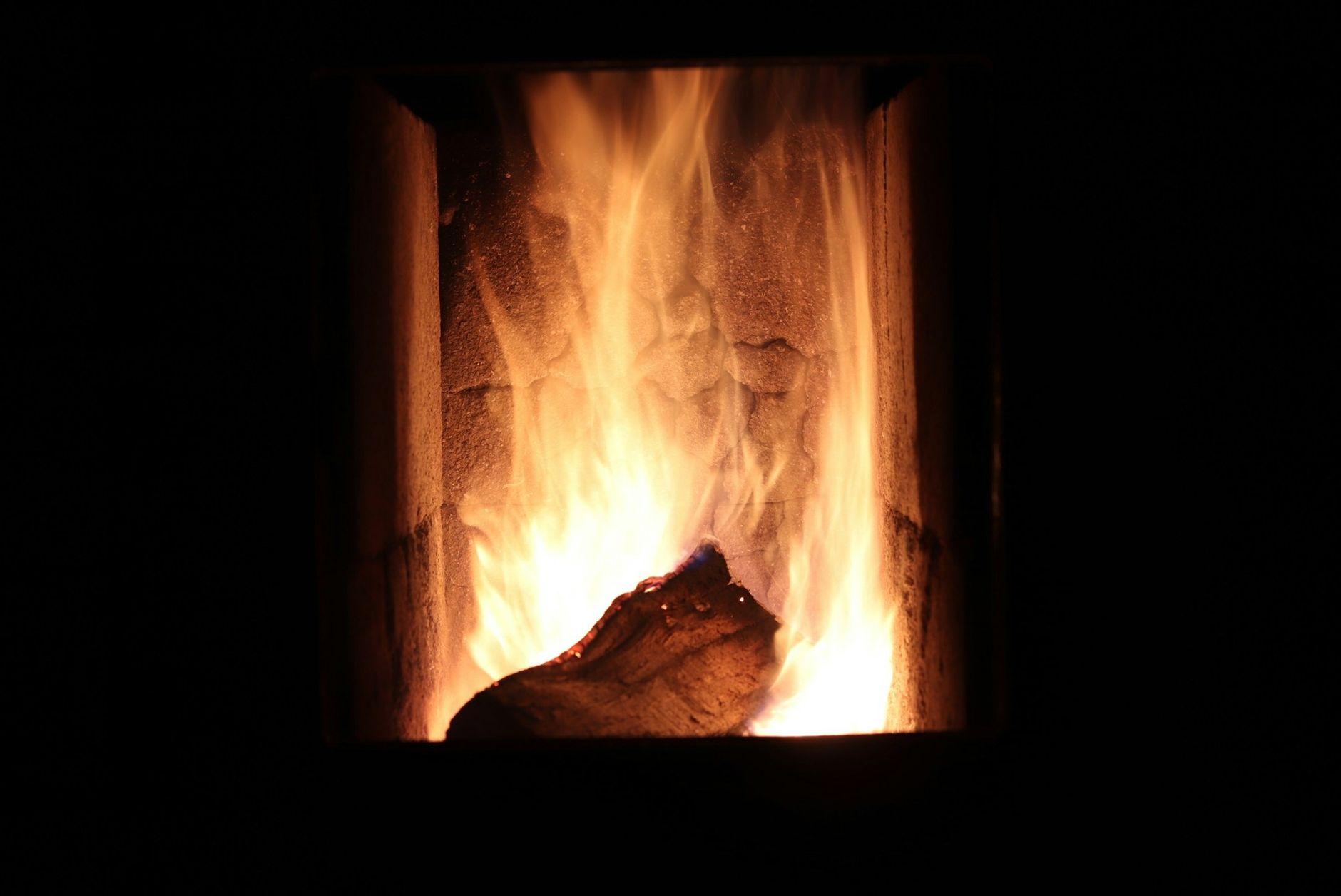
Gas fireplaces win over a lot of Covina households with small children for good reasons. No sparks, no ash on the rug, no logs to stack by the door. The flame comes on with a switch and goes off with one. What families tend to miss is that the parts doing that work wear out, and a gas unit that misbehaves can hurt someone in ways a wood fire usually does not: hot glass at toddler height, a valve key a curious hand can turn, or exhaust that slips back into the room instead of leaving through the vent.
This guide covers what a repair visit looks at, what moves the price up or down, and the point where replacing the unit makes more sense than fixing it.
The faults we get called about most
Most gas fireplace calls in the San Gabriel Valley fall into a short list:
- The pilot will not stay lit. Often a worn thermocouple or thermopile, sometimes a dirty pilot assembly or a weak gas supply.
- The burner lights, then drops out. A safety sensor doing its job because something upstream is wrong.
- Soot on the glass or the logs. Logs set in the wrong places, a clogged burner port, or air and gas out of balance.
- A smell of gas with the unit off. A loose fitting or a valve that does not close. Leave the house, call the gas utility from outside, and book us once they have cleared it.
- The blower roars or rattles. Bearings, dust, or a loose housing.
- Cracked glass or a broken gasket. On a sealed unit, the glass is part of the venting, not decoration.
Where the safety side of the job sits
Every gas fireplace repair visit includes a short safety pass on top of the fault itself, because in a home with children or older relatives the risks sit in plain sight:
- Glass temperature. Glass on a sealed unit can burn a palm well after the flame goes out. Units made in recent years come with a mesh barrier in front of the glass; older ones often do not, and we note whether one can be fitted.
- The valve key. On log sets with a key valve in the floor or wall, we check that the key comes out and that the valve does not turn by hand.
- The damper clamp. A log set in a masonry fireplace needs the damper held partly open so fumes always have a way out. We check that the clamp is there and holding.
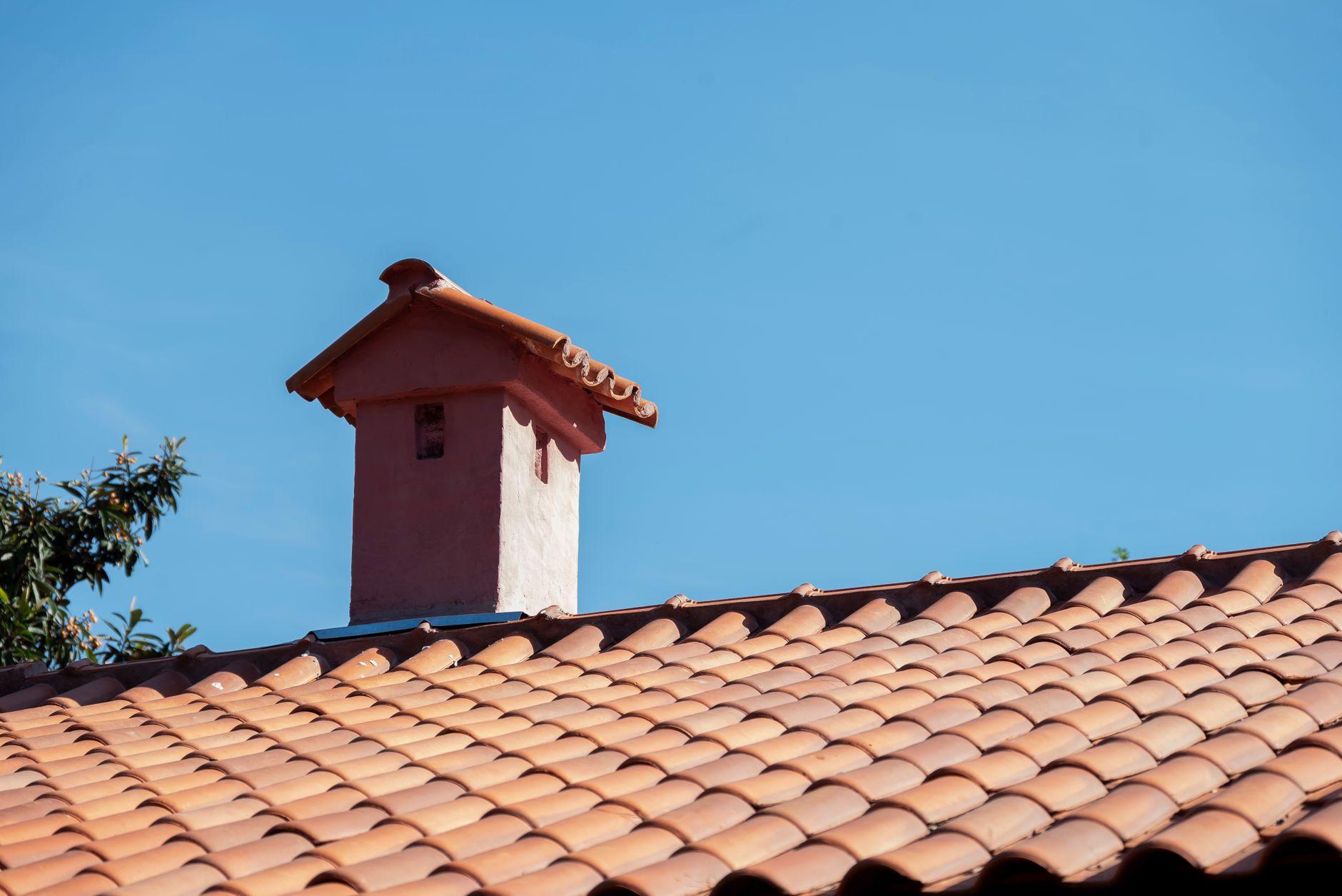
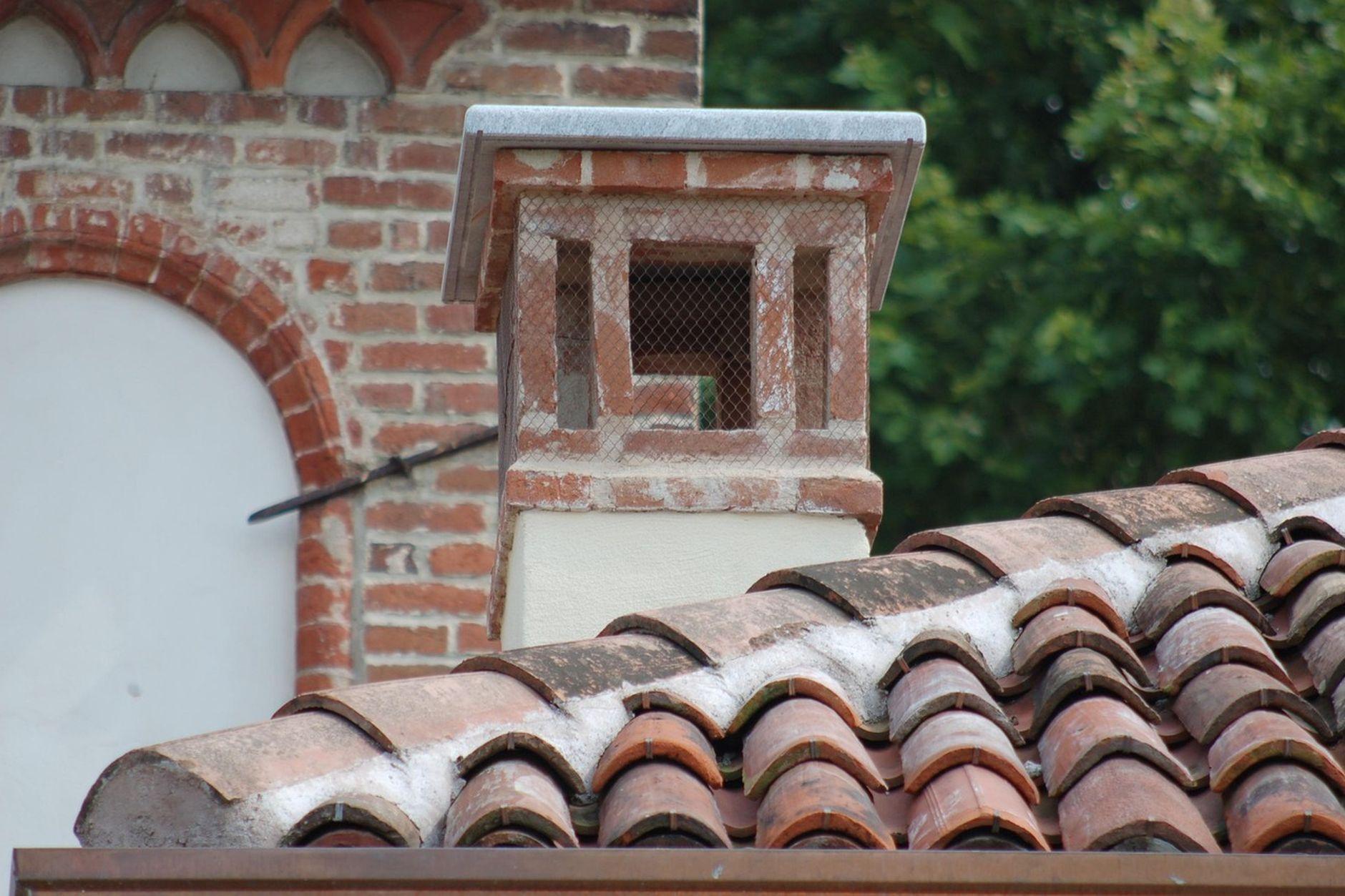
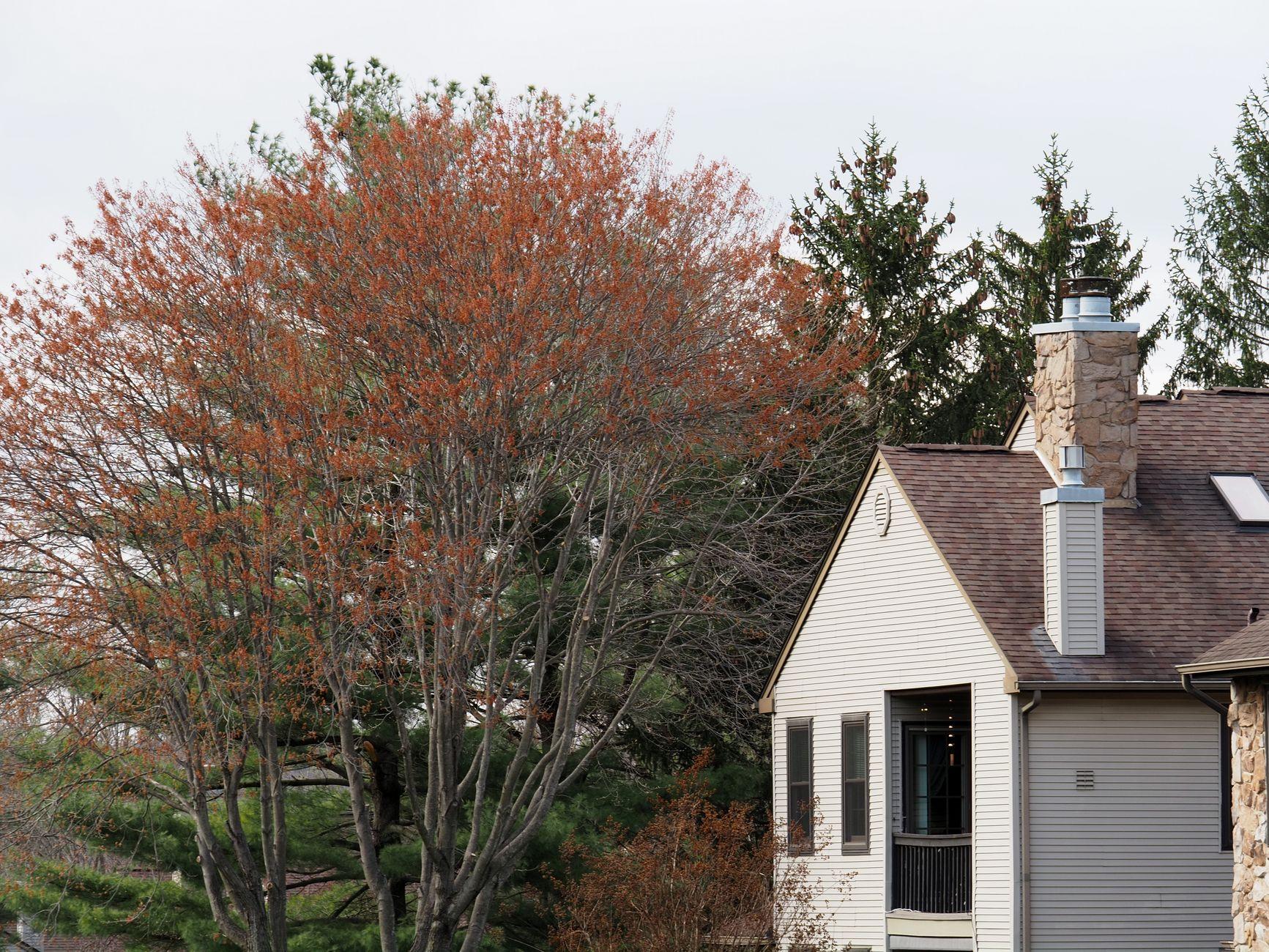
- Venting. We look at the vent cap outside for nests, debris and damage, and at the gasket for leaks into the room.
- The CO alarm. We note whether one is close to the fireplace room and the bedrooms.
What sets the price of a gas repair
Gas repairs are quoted in writing after the technician has seen the unit, because two fireplaces with the same symptom can need very different work. The figure comes down to:
1. The part. A thermocouple costs little; a control valve or a full burner assembly costs a lot more. 2. The make and age. Common brands have parts that are easy to order. Discontinued models may need a substitute part or none at all. 3. Access. A unit set into a tight surround, or a vent run that climbs through two floors, takes longer to reach. 4. The glass. Sealed-unit glass is specific to the model and is the costliest single part on many repairs. 5. How many faults. A pilot that dies because of a failing valve is one job; a pilot plus a broken blower plus cracked glass is three.
To get a written figure, tell us on the quote form what the flame does, the brand if you know it, and roughly how old the unit is. We may ask for a photo when we call back.
When a new insert makes more sense
Sometimes the honest answer is that the repair costs too much for what you get back. We say so when the parts are gone, when the firebox behind the unit is failing, or when an old open log set is the main source of drafts and fumes in the house.
There are two routes, both priced on our list:
| Option | Price |
|---|---|
| A new sealed insert set into the masonry opening you already have | $2,650 to $5,350 |
| A sealed gas fireplace built into a wall that has never had one | $4,300 to $8,600 |
A sealed unit pulls combustion air from outside and sends exhaust back out, so the room air your family breathes stays out of the loop. For homes with a grandparent who sits close to the heat, or a baby who naps in the same room, that alone often settles the question. Read more on our fireplace inserts page.
What the visit looks like for your household
A gas repair visit starts with a short talk about who uses the room. The technician then turns the gas off at the unit, opens it up, finds the fault and tests the safety controls before anything is put back. You get a written note of what was wrong, what was done or quoted, and the safety items checked, so the next visit starts with a record instead of a guess.
Yearly cleaning keeps repairs small
Many of the faults above start as dust and spider webs in the burner and pilot. A yearly gas fireplace cleaning catches them while they are cheap. If you have a wood fireplace too, see what a fireplace cleaning visit should include.
We look after gas units across Covina, Glendora, Pomona and El Monte. Tell us what the flame is doing through the contact page and we will set up the visit around your household.
Book a Carlisle Safety Visit
Carlisle works from Covina across Glendora, Pomona, El Monte and the nearby valley towns. We check the fireplace with your household in mind, leave photos and a written checklist, and price any repair before it starts.